On Choosing Who You Listen To
J.D. had always hoped that adulthood would feel like a clean transition. One day you wake up, stretch, brush your teeth, and suddenly know exactly who you are and why you make the decisions you make. He kept waiting for that moment like it was a package that got lost in the mail. Instead, his arrival into being a full-fledged doctor felt more like tripping into a room where two very different men started telling him how to stand up.
On one side was Dr. Cox, who communicated in a language made of sarcasm, frustration, and a surprising amount of care buried so deep you needed spiritual excavation tools to find it. When he talked to J.D., it always felt like Cox was tossing him into the deep end just to see if he would swim or invent some new technique that looked like drowning with enthusiasm. And on some level, J.D. loved that. Or at least he loved the part of himself that he hoped Cox might one day approve of.
Then there was Dr. Kelso, who smiled with perfect confidence even when that confidence felt like something you could peel off and hang on a hook. He ran the hospital the way a man runs a business where emotions just happen to walk in wearing gowns. He had a grin that belonged on a billboard for a used car lot. Friendly enough. Suspiciously friendly. The kind of friendly that tells you the warranty definitely doesn’t cover what you think it does.
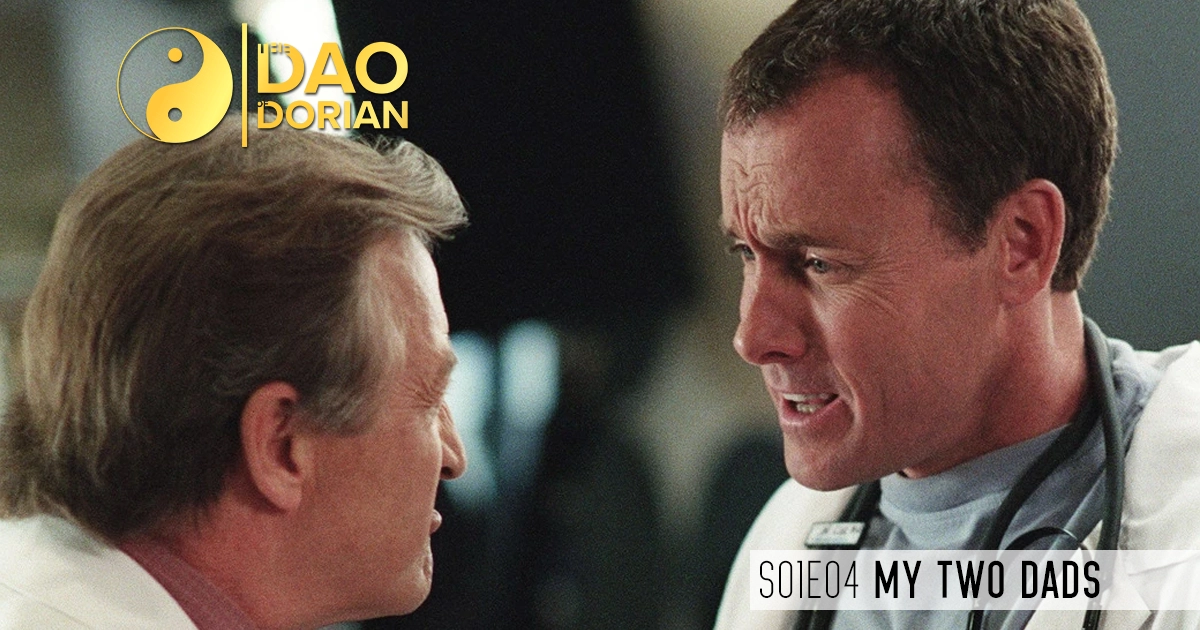
Both men seemed to be shouting their philosophies into the same hallway, and J.D., poor J.D., kept standing there like a kid holding two birthday invitations on the same day, waiting to see which parent figure would get disappointed first. He did not want to choose. He did not want conflict. He really just wanted to heal people and maybe have someone tell him he was doing alright.
But life did not work like that. And hospitals definitely did not work like that.
He found himself absorbing Kelso’s practicality at first. Rules made sense. Systems made sense. If you followed the flowchart, things stayed orderly. There was something comforting in the idea that the universe could be managed if you just stayed inside the lines. He imagined himself as a streamlined adult who made smart decisions and never panicked while signing charts. He liked that version of him. He wished that version existed.
Then he watched Kelso turn away from someone who needed help because the cost was too high. It was small, almost forgettable, except J.D. could not forget it. Something in him sagged. A quiet part. The part that believed adults knew better. The part that believed leadership was always tied to compassion. It was a crack he could not unsee.
Dr. Cox, on the other hand, practically walked around with all his cracks showing. He wore them like badges. Or warnings. Or maybe both. He cared so fiercely that it seemed to tear at him from the inside. He pushed J.D. to be better not because he enjoyed watching him struggle, though he certainly did not mind the entertainment, but because he believed that caring mattered more than being comfortable.
Cox pushed. Kelso pressured. And J.D. felt caught between those forces, like a piece of taffy being stretched by two men who would never admit they were both part of his education.
He wanted so badly to make them both proud. He could picture it sometimes. Cox giving a tiny nod. Kelso giving a rare genuine smile. Both of them recognizing him as someone worth believing in. The fantasy was strong. A little sad. Very J.D.
But real life cut through those daydreams with the subtlety of a nurse waking him up at four in the morning by turning the lights on too fast.
The truth was simple. J.D. could not base himself on what they wanted. He was learning that he had to choose who he listened to without letting that choice define him. Some lessons from Cox would shape him. Some lessons from Kelso would ground him. But neither of them could be the whole map.
There was a moment, quiet and quick, when J.D. understood this. It was not dramatic. He was not holding a chart in a hallway bathed in angelic lighting. It was more like something settling inside him with a little click. An understanding that mentors are not monoliths. They are human. Flawed. Brilliant in places. Broken in others. You take what is true and leave what is not, and you do your best to honor both without becoming either.
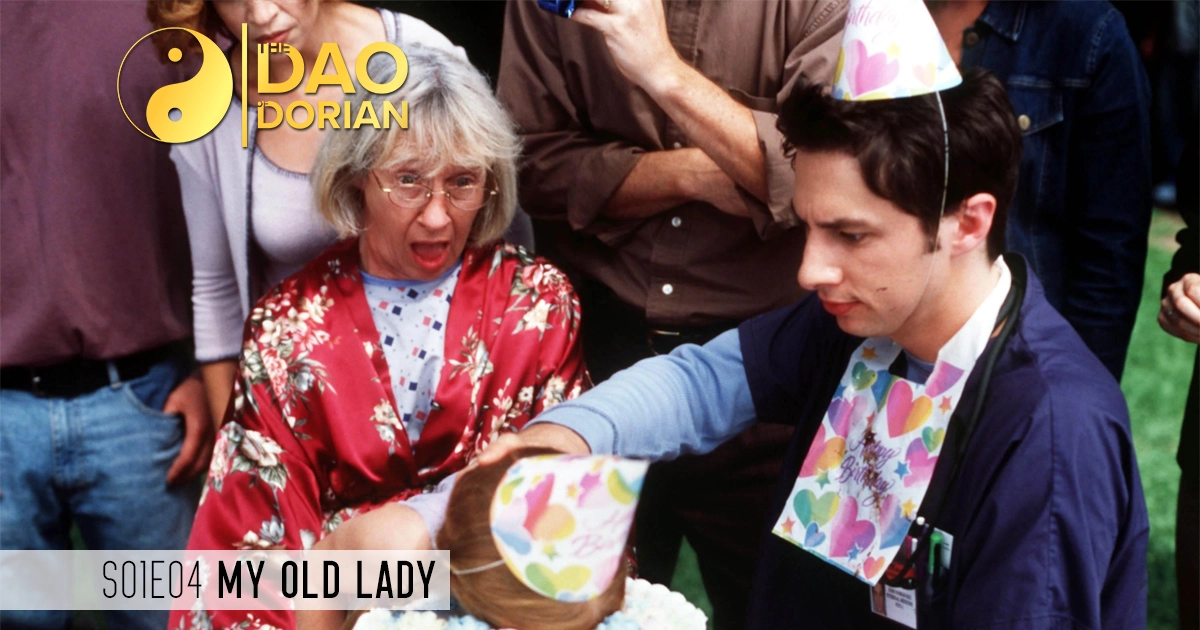
He realized he did not have to choose a dad. He already had one, and that relationship came with its own chapters of confusion. These two men were not replacements. They were guides. Crooked ones. Valuable ones. Men who taught by accident as much as intention.
J.D. learned that wanting approval was not the same as needing direction. Approval made him anxious. Direction made him better. Somewhere between the two men, he found the outline of who he might be if he let himself listen instead of cling.
Years later, he would think of them the way he might think of two mismatched stars. Both pulling at him in different ways. Both shaping the orbit he did not know he was on. Neither perfect. Neither predictable. Both essential to the strange gravity of becoming himself.
Two dads, sort of. Two paths. Two lessons intertwining whether he liked it or not.
And J.D., in his fumbling, hopeful, endlessly earnest way, kept walking forward because he knew he was learning something. Even if he would not understand it fully until much later.
Author’s Note
Think of this series as reflections from someone who’s learned that life’s lessons hit harder when you’re finally ready to hear them. I don’t claim to be wise. I just know the value of paying attention. If this is your first entry, I’m glad you found it.
Discover more from Harvey Moreno
Subscribe to get the latest posts sent to your email.